Overview
Fleet vehicle preparation is the first physical control point in the remarketing process. It establishes what is known about the vehicle before photography, valuation or listing work begins. The process is not a cosmetic promise. It is a structured review of presentation, condition and supporting records.
Typical workflow
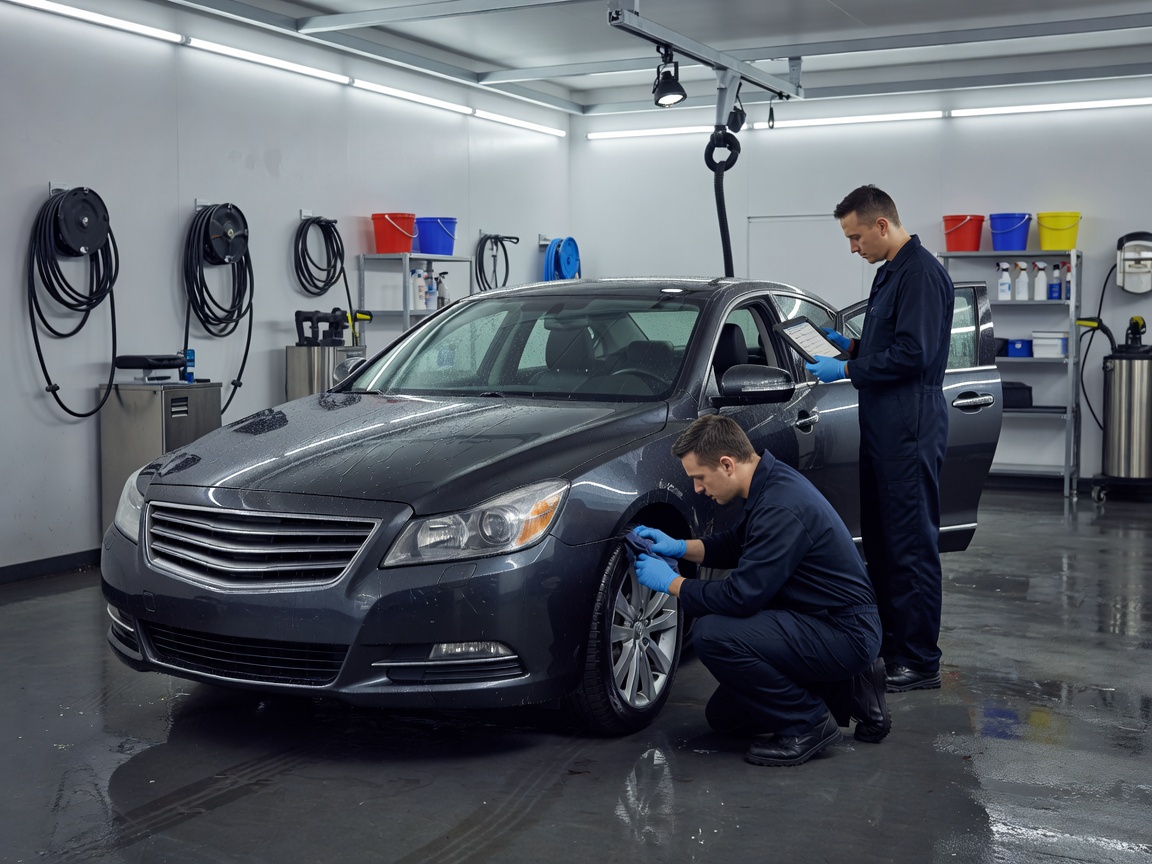
Start with vehicle identification and a walk-around. Confirm the identity against the available handover record without publishing sensitive registration information unnecessarily. Note mileage, warning indicators, tyre condition, wheel damage, glass, lights, body panels and obvious interior wear. Photograph or flag defects that will affect later documentation.
Move to cleaning. Remove general dirt, clean the cabin, clear storage areas and present controls, seats and load spaces consistently. Exterior cleaning should reveal rather than conceal body condition. Do not repair, polish or touch up a defect without recording the action and its scope.
Finish with readiness checks. Confirm keys, service records, manuals, charging cables or other supplied items where applicable. Separate known facts from assumptions. A missing document is a control issue, not an invitation to guess.
Key checkpoints
- Identity and mileage match the available records.
- Body panels, glass, lights, tyres and wheels are reviewed.
- Interior, load space and controls are clean and visible.
- Warning indicators and known mechanical concerns are logged.
- Keys, service history and supplied equipment are accounted for.
- Readiness is approved before photography begins.
Operational considerations
Fleet age, use pattern, mileage and regional operating conditions influence presentation. A high-mileage utility vehicle requires different documentation from a low-mileage passenger car. European resale conditions also vary by country. Taxation, registration, import and export requirements and buyer expectations can change by jurisdiction, so preparation records should remain factual and transferable.
Advantages and limitations
A repeatable preparation routine creates cleaner evidence, better image consistency and fewer gaps in listing information. It does not certify mechanical condition, remove every defect or guarantee a value. Specialist inspections may still be required where safety, repair or regulatory questions exist.
Practical checklist
Confirm identity, mileage, keys, history, tyres, wheels, panels, glass, lights, cabin, load area, warning lamps, supplied equipment, cleaning status and outstanding actions. Record who completed the check and when. Confirm the vehicle is suitable for the next stage.
Related services
Preparation feeds directly into Photography & Inventory and Vehicle Valuation. For a coordinated brief, contact the operations desk.